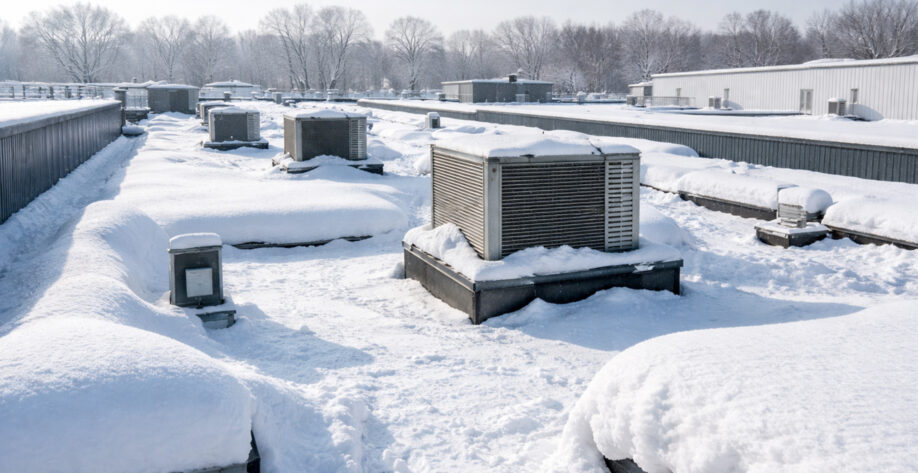
Winter across the Northeast and Mid-Atlantic has been one for the books this year. Several storms earlier in the season were followed by last week’s blizzard, adding significantly to the total snowfall. For those of us shoveling out, one thing is clear. Snow is heavy.
But how heavy is it really? And at what point does that weight become a concern for our buildings?
One of Gale’s structural engineers, who regularly performs snow load analyses, decided to find out.
The Experiment
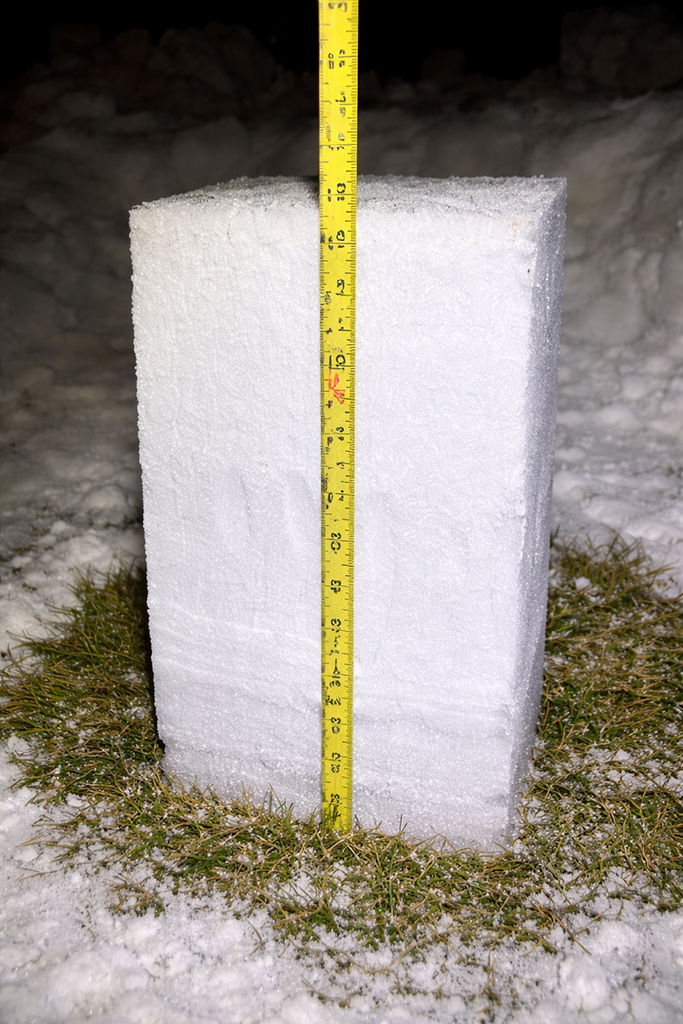
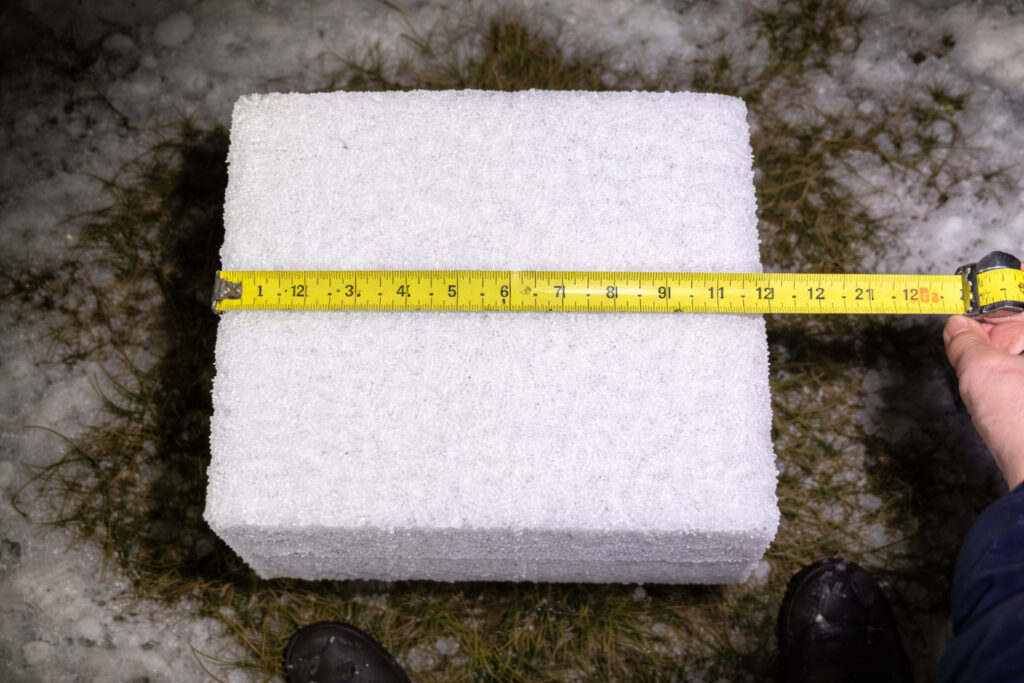
The experiment took place near Gale’s headquarters in Rockland, MA, four days after last week’s blizzard. A south-facing area of untouched snow was selected and carefully sculpted into a block measuring one square foot by 20 inches high.
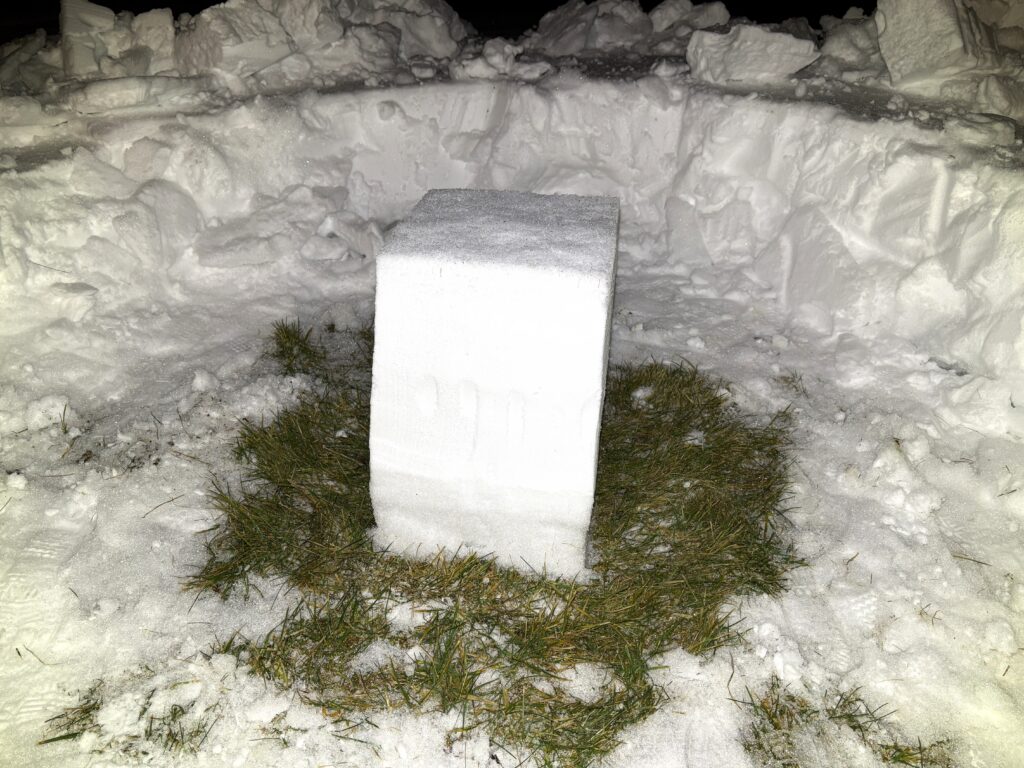
The south-facing area was intentionally chosen to evaluate how melting affected the density of this year’s snowpack. The block revealed:
- A crusty layer on top
- Compact snow in the middle
- Icy conditions at the bottom
These characteristics indicated that the density of the overall block was significantly higher than that of newly fallen snow.
The Results
After carefully removing the block, placing it into a heavy-duty contractor bag, and zeroing the scale, the final weight came in at 32 pounds.
That translates to 19.2 pounds per cubic foot for this season’s snowpack in this part of Massachusetts.
Importantly, this sample was taken from an area not affected by drifting. Snow drift can significantly amplify snow loads and create concentrated loads much higher than surrounding roof areas.
What This Means for Facility Owners
To put that weight into perspective, if that 20-inch, 32-pound block were sitting on your roof, it would be roughly equivalent to parking Toyota Camrys bumper to bumper across the entire roof surface.
Your structure may be designed to support that kind of load. But if it is not, or if you simply do not know, snow removal becomes the only safe option.
Across the state, contractors are currently using cranes and industrial lifting bags to systematically remove snow from flat roofs. In more severe situations, facilities have been evacuated due to snow loading concerns.
Looking Ahead
With March approaching and temperatures beginning to rise, many facility owners may soon be in the clear for this winter season.
However, this is the ideal time to prepare for the next one.
Facility owners should understand:
- What snow load their roof was originally designed for
- Whether drifting snow loads were considered in the design
- What that design load equates to in terms of allowable snow height for varying densities
With this information, you can confidently determine what constitutes a safe snow depth on your roof and when it is time to call in a contractor.
How Gale Can Help
Gale specializes in snow load roof framing analyses and helps owners answer these exact questions.
Many roofs are designed for at least 20 pounds per square foot. However, the design snow load is not always known because original drawings are not always available. In those cases, Gale can field measure roof framing members to perform the analysis.
Even when a design snow load is documented, it may not meet current code requirements. Research and updated data have shown that higher snow loads are possible than those historically designed for.
If you are unsure where to begin, please give Gale a call and we can help you understand what steps could be taken to prepare for another winter like 2026.