

As environmental expectations continue to grow, even smaller general aviation airports are increasingly expected to adopt more sustainable practices. From reducing carbon emissions to protecting nearby wetlands, many airport managers are discovering that environmental improvements can also increase operational efficiency, strengthen community relationships, and unlock new funding opportunities.
Airports must manage a range of environmental concerns, including:
- Carbon emissions
- Community noise complaints
- Water contamination
- Waste generation
- Habitat disruption
Addressing these issues is not only environmentally responsible but often necessary to meet regulatory requirements tied to federal, state, and local funding sources. With limited staff and resources, many airport managers face a common challenge: which improvements will deliver the greatest impact without overwhelming already constrained staffing and budgets?
How Environmental Studies Support Airport Improvements
Environmental studies are often required during airport planning, design, or FAA-funded projects. When used strategically, they can streamline permitting, guide design decisions, and strengthen eligibility for infrastructure funding.
- Air Quality: Evaluating emissions from aircraft, ground vehicles, and airport infrastructure.
- Noise Pollution: Measuring noise levels and assessing impacts on surrounding communities.
- Water Quality: Assessing contamination risks from fuel spills, de-icing operations, and stormwater runoff.
- Land Use: Studying how airport development affects wildlife and ecosystems while identifying conservation opportunities.
- Waste Management: Developing strategies to reduce, recycle, and properly manage waste generated on airport property.
- Climate Planning: Identifying long-term strategies for energy efficiency, emissions reduction, and renewable energy adoption.
Addressing environmental considerations early in the planning process can help airports avoid delays, strengthen regulatory compliance, and enhance their competitiveness when pursuing FAA Airport Improvement Program (AIP) funding.
How Aviation Is Reducing Environmental Impacts
Across the aviation industry, new technologies and operational strategies are helping reduce environmental impacts while improving efficiency.
Sustainable Aviation Fuel (SAF)
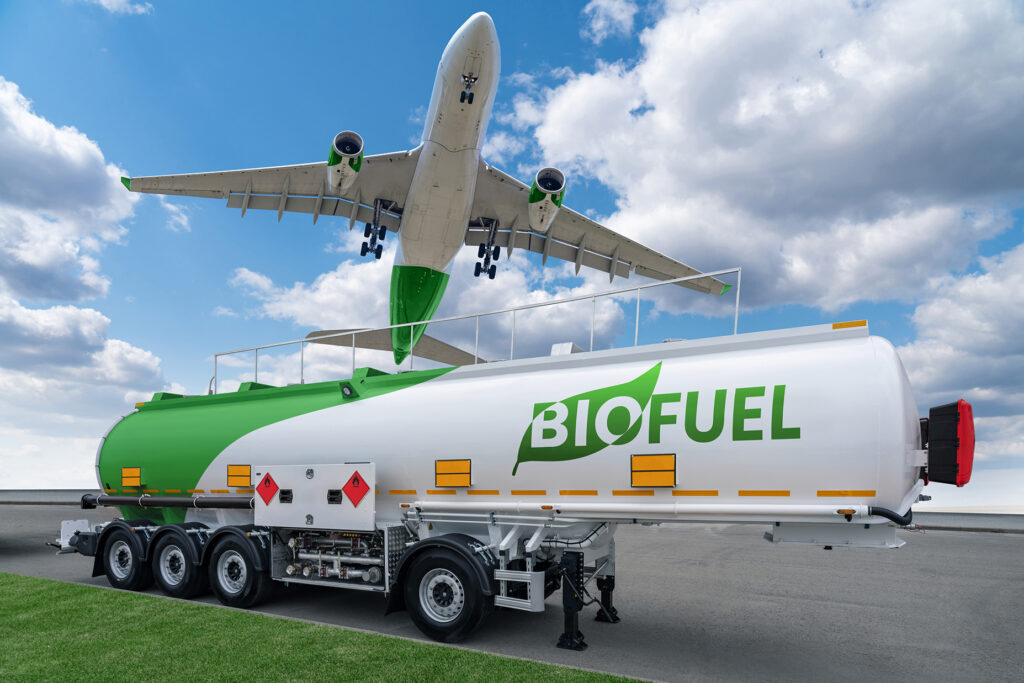
SAF can be produced from sources such as agricultural waste, used cooking oil, and synthetic processes that capture carbon directly from the atmosphere. SAF has the potential to reduce lifecycle emissions by up to 90 percent compared to traditional jet fuel.
While SAF adoption is currently more common at larger commercial airports, general aviation airports may see increasing demand as turbine aircraft operators seek lower-emission fuel options. The FAA’s Fueling Aviation’s Sustainable Transition (FAST) program offers grants to support SAF development and infrastructure.
The EAGLE Initiative: Eliminating Leaded Aviation Fuel
The Eliminate Aviation Gasoline Lead Emissions (EAGLE) initiative is a public-private partnership working to eliminate lead from general aviation fuel by 2030. Airports that support early transition efforts can help improve community health while reducing potential environmental liability.
The EAGLE Interactive Toolkit provides airport managers with information about fuel availability, aircraft compatibility, and planning resources to support this transition.
Electric and Hybrid-Electric Aircraft
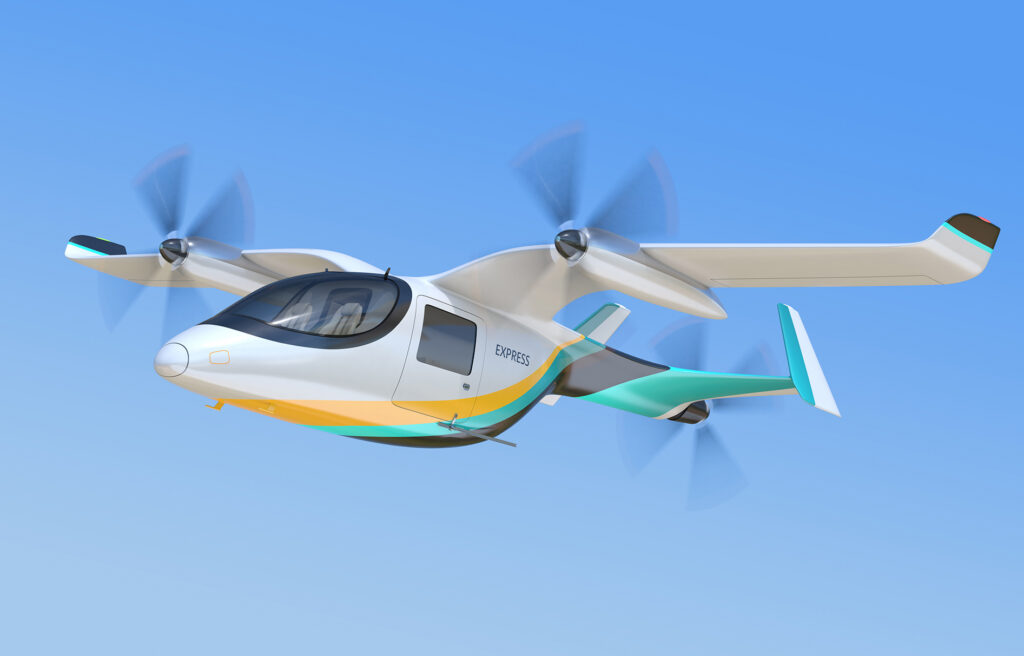
Electric and hybrid-electric aircraft are emerging technologies that could significantly reduce aviation emissions, particularly for short regional flights. These aircraft may also expand connectivity between smaller regional airports.
Airports can begin preparing now by evaluating electrical capacity, coordinating with local utility providers, and identifying locations where future charging infrastructure could be installed during routine upgrades or capital projects.
More Efficient Aircraft Design
Advances in aircraft materials and aerodynamics are producing lighter, more fuel-efficient aircraft. While these innovations are largely driven by manufacturers, airports can support future aircraft types by maintaining well-designed runways, taxiways, and hangar facilities. Airports should also ensure that electrical infrastructure can accommodate emerging technologies.
Air Traffic Management Improvements
Operational improvements can also play a significant role in reducing emissions. By optimizing flight paths and minimizing delays, aircraft burn less fuel and operate more efficiently. Programs such as the FAA’s NextGen air traffic modernization system are helping improve routing efficiency across the national airspace system.
LED Lighting Systems
Many airports are replacing traditional lighting systems with LED fixtures across runways, taxiways, aprons, and terminal buildings. LEDs last longer, consume less energy, and reduce maintenance costs. They can also help minimize light pollution affecting nearby communities.
For many smaller airports, lighting upgrades are among the most practical and cost-effective sustainability improvements available.
The Environmental Value of Airport Open Space
Even small airports often encompass hundreds of acres beyond runways and terminals. These areas frequently include wetlands, grasslands, and other natural habitats that provide both environmental and operational benefits.
Well-managed open space can support biodiversity, improve water quality, and reduce noise impacts on surrounding communities.

- Vegetation and Biodiversity: Native and pollinator-friendly plants can support local wildlife while helping absorb water and filter pollutants.
- Stormwater Management: Natural areas act as buffers that slow runoff, reduce erosion, and protect nearby waterways.
- Air Quality Improvement: Vegetation acts as a natural air filter and improves the surrounding environment.
- Noise Reduction: Grass and vegetation absorb more engine noise than paved surfaces, helping reduce sound impacts on nearby neighborhoods.
Effective open space management must also consider safety. FAA-funded projects often require wildlife hazard assessments, and vegetation choices must align with aviation safety guidelines.
For example, grass height management is critical. Very short grass can attract geese and other grazing birds, while overly tall grass may provide cover for rodents and predators. Maintaining an optimal height helps reduce wildlife hazards while still providing environmental benefits.
Working with experienced airport planners, landscape architects, and wildlife specialists can help airports develop vegetation strategies that meet both environmental goals and FAA safety requirements.
Snow Management and Environmental Protection
Airports in colder climates face additional environmental challenges during winter operations. Snow removal must maintain safe airfield conditions while protecting surrounding ecosystems. Best practices include:
- Energy-Efficient Snow Equipment: Newer plows and support vehicles can reduce emissions and fuel consumption.
- Environmentally Friendly Deicing Agents: Some airports are transitioning to less toxic deicing alternatives that reduce impacts on soil and water quality.
- Snow Storage and Runoff Management: Designated snow storage areas, controlled melting zones, and runoff treatment systems can help prevent contamination of wetlands and nearby waterways. Smaller airports may avoid chemical deicers altogether. Larger facilities must ensure that all products meet environmental regulations.
Building Support in Your Local Community
Airport managers play an important role in shaping aviation’s environmental future. While many sustainability initiatives begin at the national or industry level, meaningful progress often starts at the local airport through thoughtful planning, targeted infrastructure investments, and responsible land management.
Many environmentally responsible improvements, such as LED lighting upgrades, improved stormwater management, and thoughtful vegetation planning, can also reduce operating costs, simplify regulatory compliance, and strengthen applications for FAA Airport Improvement Program funding.
As environmental expectations continue to evolve, airports that plan proactively for sustainability will be better positioned to serve their communities while maintaining safe and efficient operations.
Finally, be proactive in sharing positive news. Airports sometimes hesitate to promote their successes, but highlighting environmental improvements, infrastructure upgrades, or community partnerships can strengthen public support and reinforce the airport’s value to the region.
Tagged In:
Airport Engineering & Planning