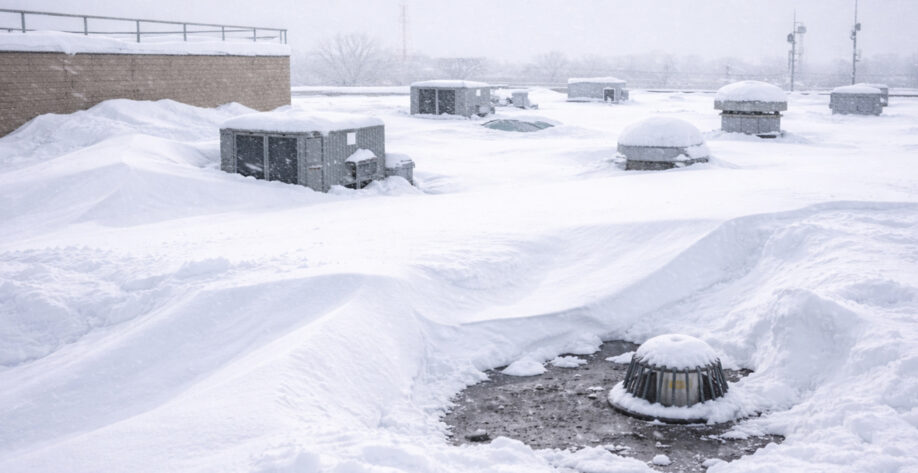
Heavy Snowstorms Can Threaten the Safety of Your Building
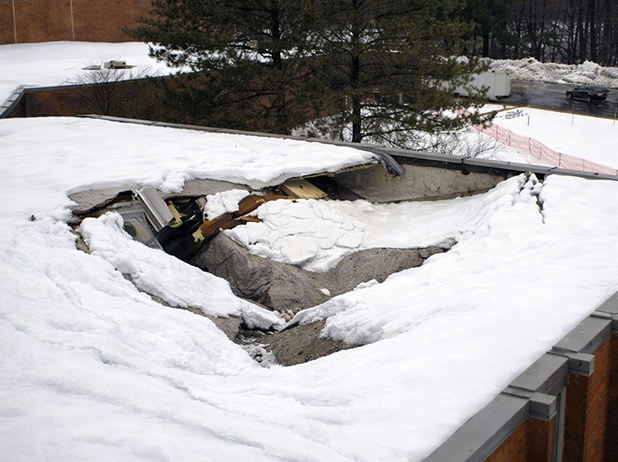
Buildings are typically designed to support snow loads recommended by the applicable building code. This is determined by considering the contribution of roof slope, exposure factors, building use, and potential for snow drifts against parapets, adjacent rising walls, or buildings. During severe snowfall, the actual snow load may exceed the load for which the roof was designed. When snowfall is followed by rain or warm weather and melting, the snow can absorb and retain water or thawed snow. The slush layer trapped under the snow can contribute to a much heavier load. If the actual roof loads exceed the design loads, the roof framing may be at risk for excessive deflections and, in the worst cases, localized failure or collapse.
How to Prepare and Minimize Damage to Your Building
Locate your building’s structural drawings (including roof plans and general notes), which typically list the design snow loads. This information will be important if and when you need a structural engineer to evaluate roof snow loads. If structural drawings are not available, have pertinent information on hand, such as the year the building was constructed, the roof framing members, and deck types.
Locate the existing architectural drawings or the latest re-roofing drawings. Before snow starts to fall, familiarize yourself with the type and age of the roof system/covering and the locations of existing roof drains. Without damaging the roof covering, consider installing temporary flags at each drain strainer that extend above the anticipated snow layer for quick identification on a snow-covered roof. After a snow and/or rain event that results in snow accumulation, you may want to remove snow around roof drains to provide a drainage path for melting snow. Personnel removing snow on and around roofs must be trained, take necessary safety precautions, and use snow removal equipment intended to reduce the likelihood of damage to the roof system. Snow blowers and similar equipment are typically not recommended.
If the snowfall forecast is significant for your area, contact your structural engineer to help determine when and where to remove snow proactively. Many storms produce snow accumulation within an acceptable range for the roof structure to support, and professional assistance may not be required. However, snow drifting can occur and may push accumulation past the acceptable range.
Unsure Whether to Remove Snow from Your Roof?
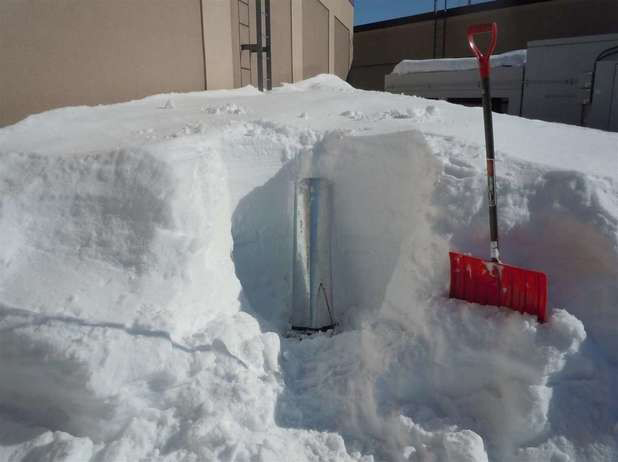
Your roof may require localized snow removal around drains and in drifted areas for one storm, and a different snow removal approach after a subsequent storm. The height of the snow isn’t the only parameter required to measure the actual in-place snow load. Snow density and other factors will impact the recommended snow depth to remain on a roof. If there is a question regarding the in-place snow or snow/rain load on your roof, Gale has the engineers, equipment, and experience to field-measure the snow and provide opinions and options regarding snow removal.
Please reach out to us anytime, whether you are preparing for the upcoming snowstorm and frigid weather, or for any of your building enclosure, structural engineering, or civil engineering needs.